14 Oct 2026
How Live Gaming Elements Affect Payment Choice Patterns Among Regional Players
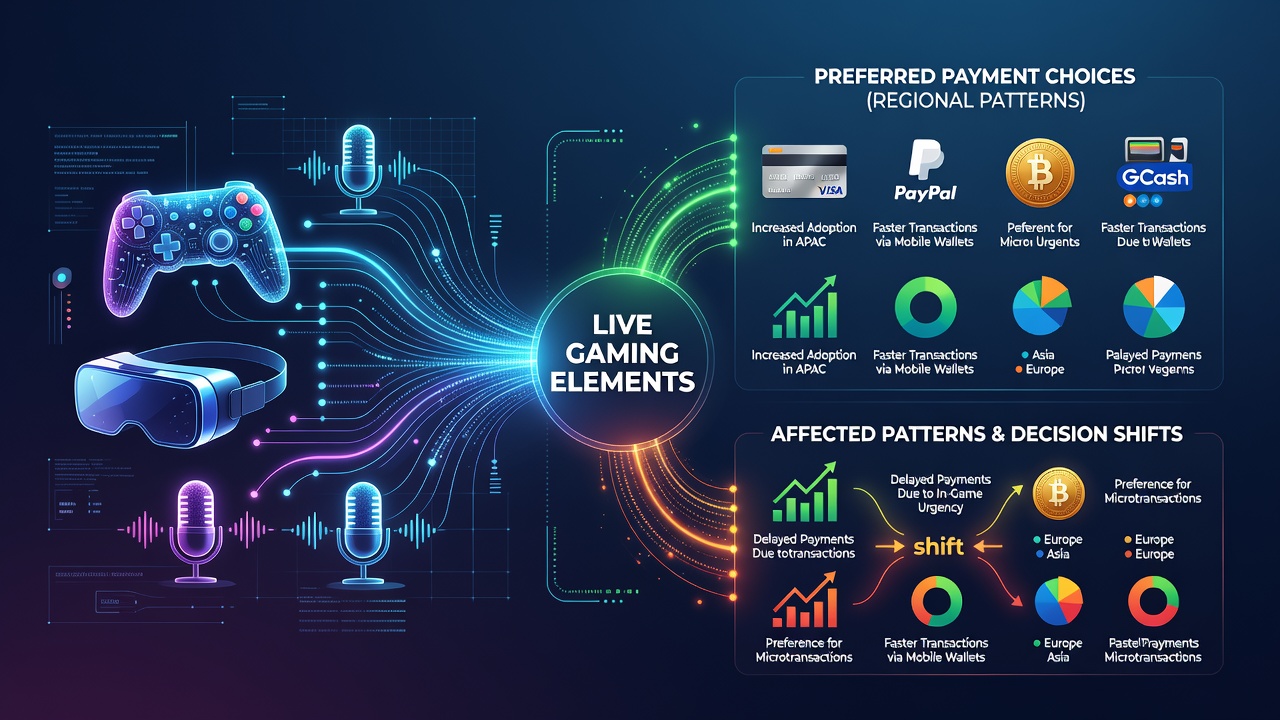
Live gaming elements introduce real-time interactions through video streams, dealer chats, and instant bet resolutions that shift how regional players select their payment methods during sessions. Data from industry reports shows these features encourage preferences for faster transaction options such as e-wallets and instant bank transfers over traditional card payments in many markets. Observers note that the immediacy of live tables creates demand for seamless deposits and withdrawals because players want to maintain momentum without delays.
Core Live Gaming Features and Their Mechanics
Live dealer games combine streaming technology with RNG-free outcomes while multiple camera angles and chat functions build engagement that differs from standard digital slots. Research indicates players in live environments often switch payment methods mid-session when features like quick top-ups become available through integrated platforms. Those who've studied regional patterns find that European markets see higher adoption of digital wallets in live settings because these tools align with the continuous flow of gameplay and reduce interruptions during high-stakes rounds.
Regional Variations in Payment Responses
Players across Northern Europe demonstrate distinct shifts toward instant payment solutions when live elements extend session times according to figures from gaming associations. In contrast observers record that participants in North American regions maintain stronger ties to credit card options even as live chat and dealer interactions increase because regulatory frameworks there support established banking integrations. Data shows Australian markets follow a middle path where e-wallets gain traction in live poker and blackjack rooms since these methods handle variable bet sizes efficiently during extended play.
October 2026 projections from trade groups highlight continued growth in live gaming adoption which correlates with rising use of mobile-optimized payment apps in Asia-Pacific zones. Experts have observed that the presence of real-time statistics overlays and multi-table viewing options prompts users to favor methods that process smaller incremental deposits without additional fees.
Payment Method Shifts Driven by Live Interactions
Studies reveal that live chat features encourage players to select payment providers with built-in support for instant confirmations because unresolved transactions can disrupt the social flow of the table. Researchers discovered patterns where regional users in Scandinavia increase their reliance on bank transfer services during live roulette sessions while those in Mediterranean markets turn to prepaid vouchers when session lengths stretch beyond typical thresholds. The reality is that these choices stem from the need to match payment speed with the unpredictable pace of dealer-paced games rather than static digital alternatives.
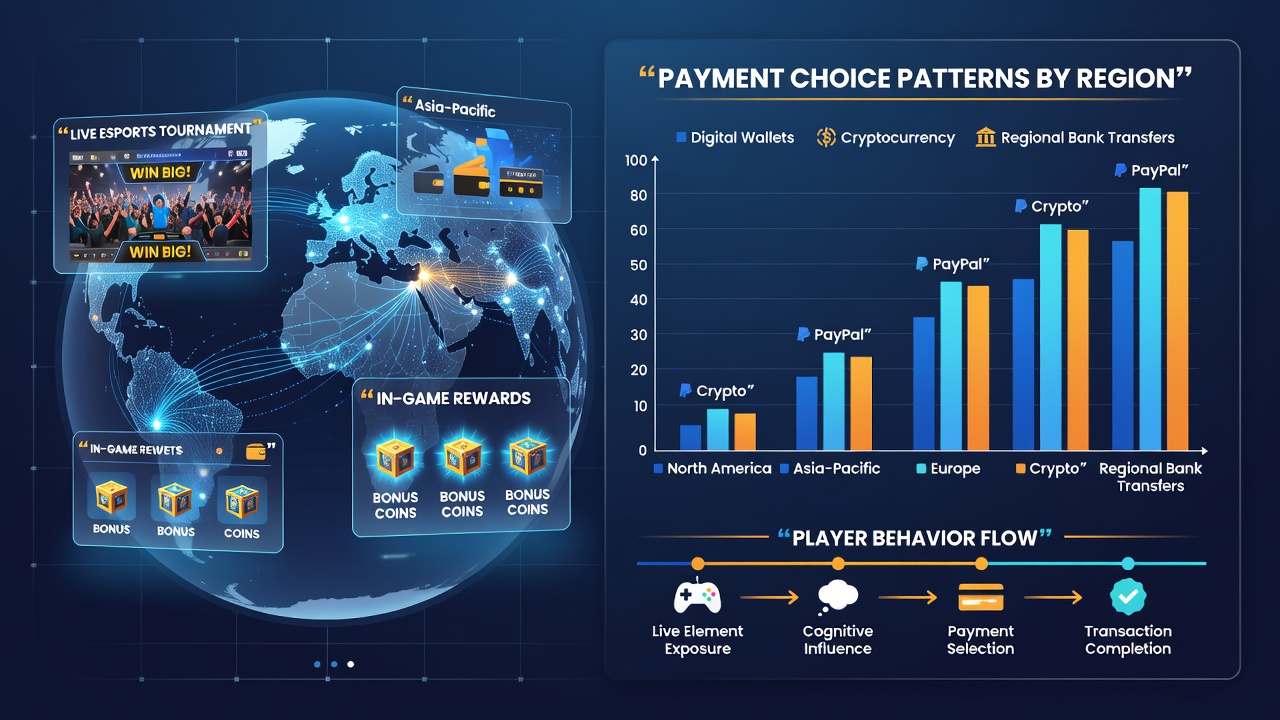
One study revealed that integration of live leaderboards and bonus triggers tied to real-time performance leads to higher volumes of micro-transactions which favor payment rails designed for speed and low friction. People who've examined transaction logs across platforms note that live elements reduce the appeal of slower methods like wire services in favor of options that complete within seconds. What's interesting is how these dynamics play out differently by region with urban centers showing faster adaptation than rural areas where connectivity influences both gaming access and payment reliability.
Broader Market Data and Influencing Factors
According to reports from the European Gaming and Betting Association transaction volumes in live dealer categories grew steadily through 2025 with corresponding rises in instant payment usage among regional cohorts. EGBA industry data tracks these trends across member states and links them to technological upgrades in streaming quality and user interface design. Canadian regulatory analyses from iGaming Ontario similarly document payment preference changes in live environments where provincial players prioritize secure digital options during peak evening hours.
Academic papers from research institutions further connect live gaming duration with payment diversification because extended exposure to interactive elements builds familiarity with varied transaction tools. Figures reveal that regions with higher smartphone penetration experience more pronounced shifts toward app-based payments when live tables incorporate AR overlays or personalized dealer interactions.
Conclusion
Live gaming elements continue to reshape payment choice patterns by aligning transaction speed and convenience with the interactive demands of real-time play across diverse regions. Evidence from multiple sources demonstrates that these influences vary by market infrastructure and regulatory context yet consistently favor methods that support uninterrupted engagement. As platforms evolve the connection between live features and payment selection remains a measurable aspect of player behavior tracked through ongoing data collection.