2 Sep 2026
Bridging Game Selection Guides with Emerging Payment Technologies in Northern European Online Gaming Scenes
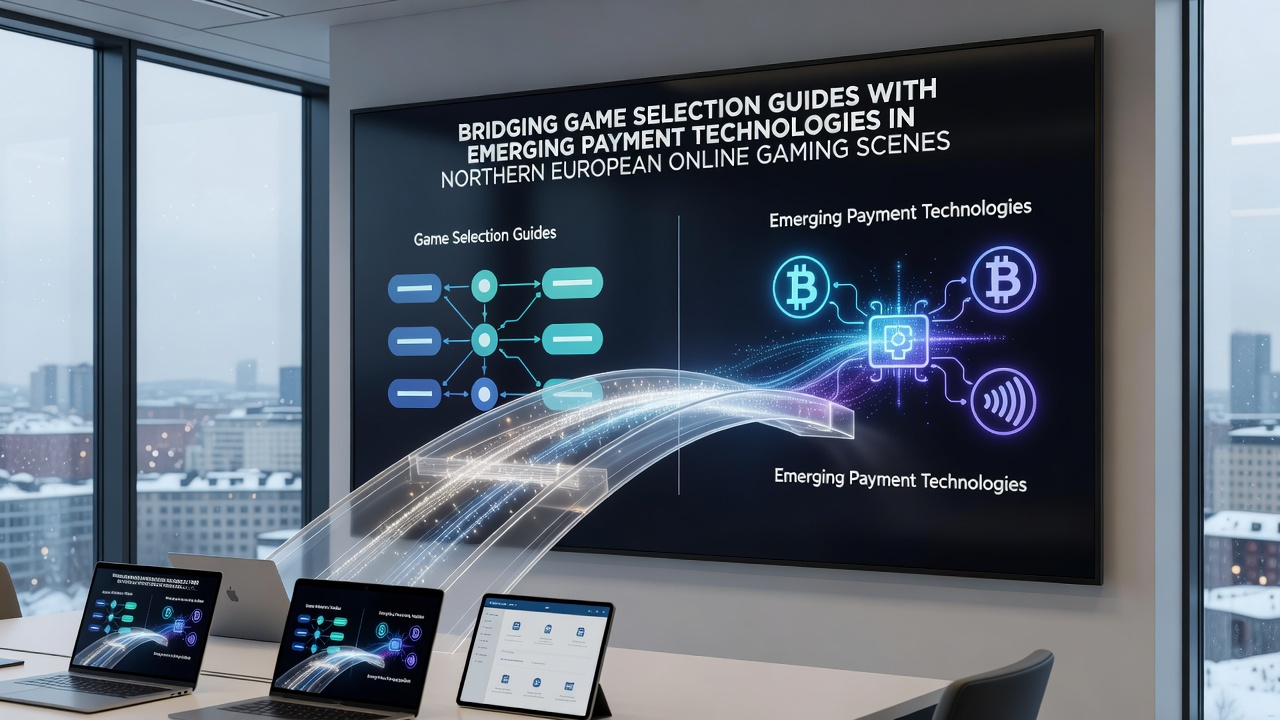
Northern European online gaming markets continue to evolve as operators connect detailed game selection resources with new payment solutions that emphasize speed and security, and this connection shapes how players navigate choices in regulated environments across Sweden, Denmark, Finland, and Norway.
Regional Market Structures and Payment Integration
Regulated frameworks in these countries require licensed platforms to offer transparent information on both game mechanics and transaction methods, which encourages developers of selection guides to include details on processing times, fees, and compatibility with local banking systems. Data from the European Commission on digital payment services shows that open banking protocols have expanded access to real-time transfers in the Nordic region since the implementation of updated directives, allowing guides to highlight options such as instant withdrawals through trusted intermediaries rather than traditional card processing alone.
Observers note that Finnish and Danish platforms have adopted similar approaches where game catalogs now feature filters for payment speed alongside volatility ratings and return-to-player percentages, and this dual presentation helps users match session preferences with funding methods that align with their schedules. Research indicates that adoption rates for these combined tools rose steadily between 2023 and 2025, driven by regulatory requirements that mandate clear disclosure of all transaction pathways.
Emerging Technologies Shaping Selection Resources
Technologies such as blockchain-verified transaction logs and mobile-based instant payment systems have begun appearing in selection materials that once focused solely on game themes and features, and experts at institutions studying digital finance observe that these additions provide verifiable records of deposits and payouts directly within guide interfaces. In Norway, state-controlled systems have incorporated elements of these technologies to maintain oversight while supporting licensed operators, which in turn influences how independent guide creators structure their recommendations for users seeking low-latency options.
September 2026 marks the scheduled rollout of enhanced cross-border payment standards under the European Economic Area agreements, and this development is expected to further link game databases with multi-currency settlement tools that reduce conversion delays for players in Iceland and the Faroe Islands. Figures from regional financial oversight bodies reveal that transaction volumes using these newer protocols increased by approximately 18 percent in the first half of 2025 compared with prior periods, prompting guide publishers to update their content with real-time compatibility checks.
Practical Examples of Combined Resources
One documented case involves a Danish operator that embedded payment option indicators directly into its game library interface, allowing users to sort titles by supported withdrawal methods such as account-to-account transfers or emerging digital asset gateways, and this format has been replicated across several Finnish sites following positive user feedback on reduced friction. Studies from the University of Oslo on digital consumption patterns show that participants who consulted integrated guides completed transactions 22 percent faster on average than those relying on separate resources.
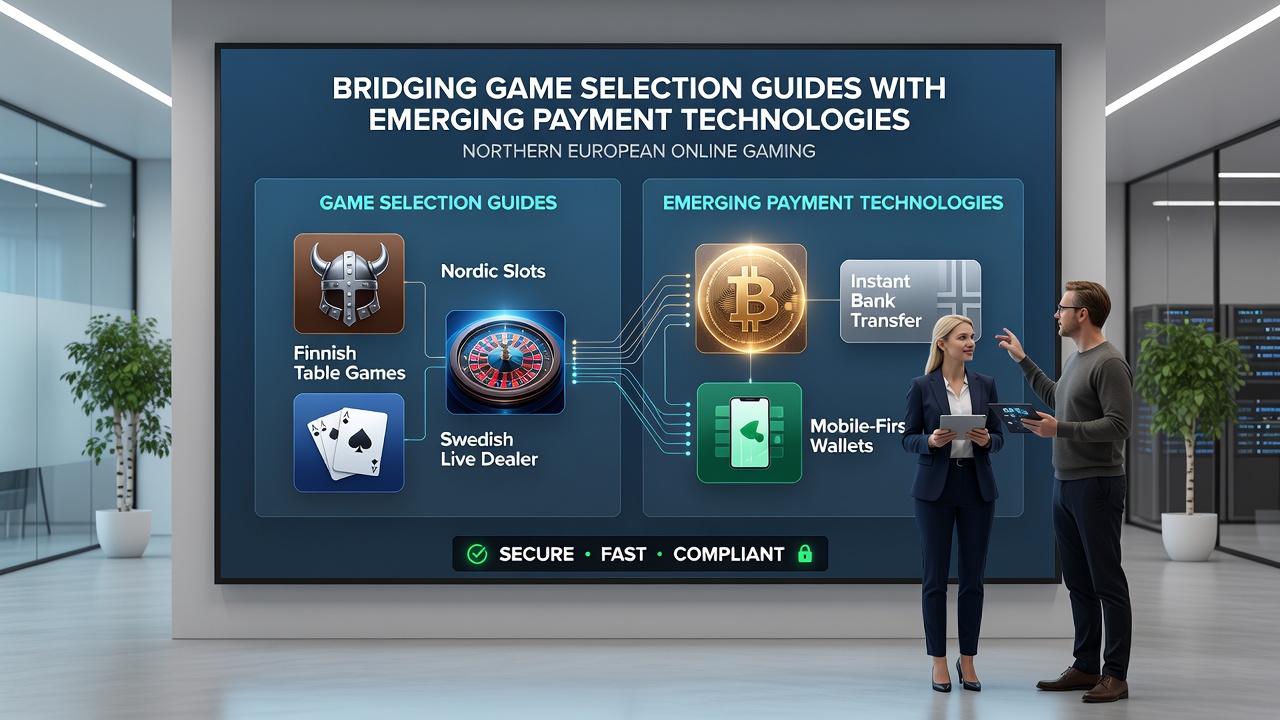
Canadian research on fintech adoption in gaming contexts, published through the Canadian Centre on Substance Use and Addiction, notes parallel trends where payment visibility influences game choice, and these findings have informed discussions among Northern European analysts examining how similar integrations might support responsible limits without restricting access. The ball remains in the court of platform developers to ensure these features remain accurate as new payment rails emerge.
Regulatory Context and Future Alignment
Authorities across the region continue to monitor how selection tools incorporate payment data to prevent mismatches that could affect player control measures, and reports from the Danish Gambling Authority emphasize the need for ongoing updates to reflect changes in authorized providers. Although full standardization remains incomplete, collaboration between game aggregators and payment processors has produced standardized data fields that guides can pull automatically, reducing manual errors in listings.
What's interesting is how these alignments also intersect with accessibility requirements, where screen-reader compatibility now extends to payment status indicators so that users with visual impairments receive equivalent information on both game attributes and funding pathways. Evidence suggests that platforms investing in these unified systems report higher retention metrics in quarterly filings submitted to oversight bodies.
Conclusion
The ongoing connection between game selection materials and emerging payment technologies in Northern Europe reflects broader shifts toward unified digital experiences that prioritize clarity and efficiency, and continued regulatory adjustments through 2026 and beyond will likely accelerate this integration. Observers expect further refinements as new settlement methods gain approval, with guides serving as the primary interface where players evaluate options across both entertainment and transactional dimensions.